Do's and Don'ts We Learned at the Club World Cup


Soccer is not just a game; it's a shared experience that transcends time zones and borders.
In 2002, my neighbors in Cameroon — some without TVs — gathered at our house at 3 a.m. to watch the World Cup that was organized by South Korea and Japan. Now, in Philadelphia, I join other avid soccer fans in local bars on weekends at 8 a.m. to watch the Premier League and other European leagues.
The 2025 FIFA Club World Cup transcended being just an expo for world-class club teams — it was a dress rehearsal for the biggest sporting event on the planet: The 2026 FIFA World Cup.
With matches hosted in 11 cities across the United States from June to July, the Club World Cup offered a glimpse into what works, what doesn't, and what needs urgent attention before the world returns next summer. Here are the do's and don'ts we learned from the Club World Cup.
2025 Matches by the Numbers
Fans Attended Across 63 Matches
Fans Packed MetLife Stadium for the Final
Temperature During Several Mid-Day Matches
Countries Where Fans Purchased Tickets
Ticket Prices Slashed from $473 to $13 in Later Rounds
Here's the Play-by-Play
Do: Respect the Culture of the Game
Avoid overproduced intros and halftime spectacles. Soccer fans value tradition, such as team entrances with children and organic chants, making the game itself the main source of entertainment. Let the sport breathe.
Don't: Over "Americanize"
From individual player intros to countdowns and halftime shows, attempts to "NFL-ize" the experience didn't land well with traditional soccer fans. The sport's culture thrives on authenticity.
"Let's get ready to rumble!" might work in boxing, but not when PSG and Chelsea are walking out to play football.
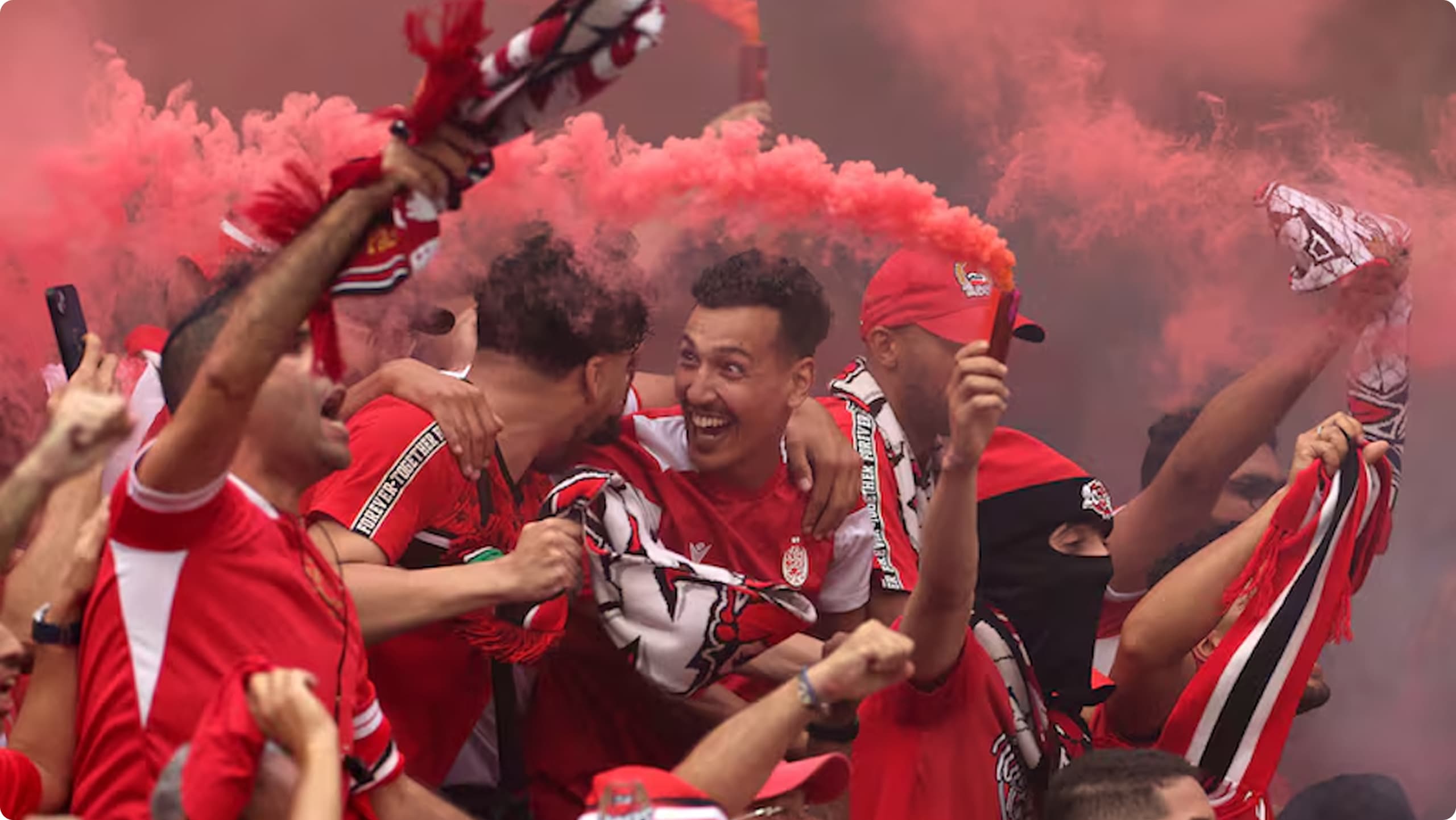
From flares to flags, fans bring the magic. Cities should embrace and support these traditions safely through designated tailgate zones, sanctioned fan marches, and cultural showcases.
Do: Use Smaller Venues for Smaller Matches
Not every game needs 80,000 seats. For group-stage matches between lesser-known teams with few or no global stars, smaller stadiums can create a more intimate and electric atmosphere.
Don't: Get Stuck with Empty Seats & Mismatched Venues
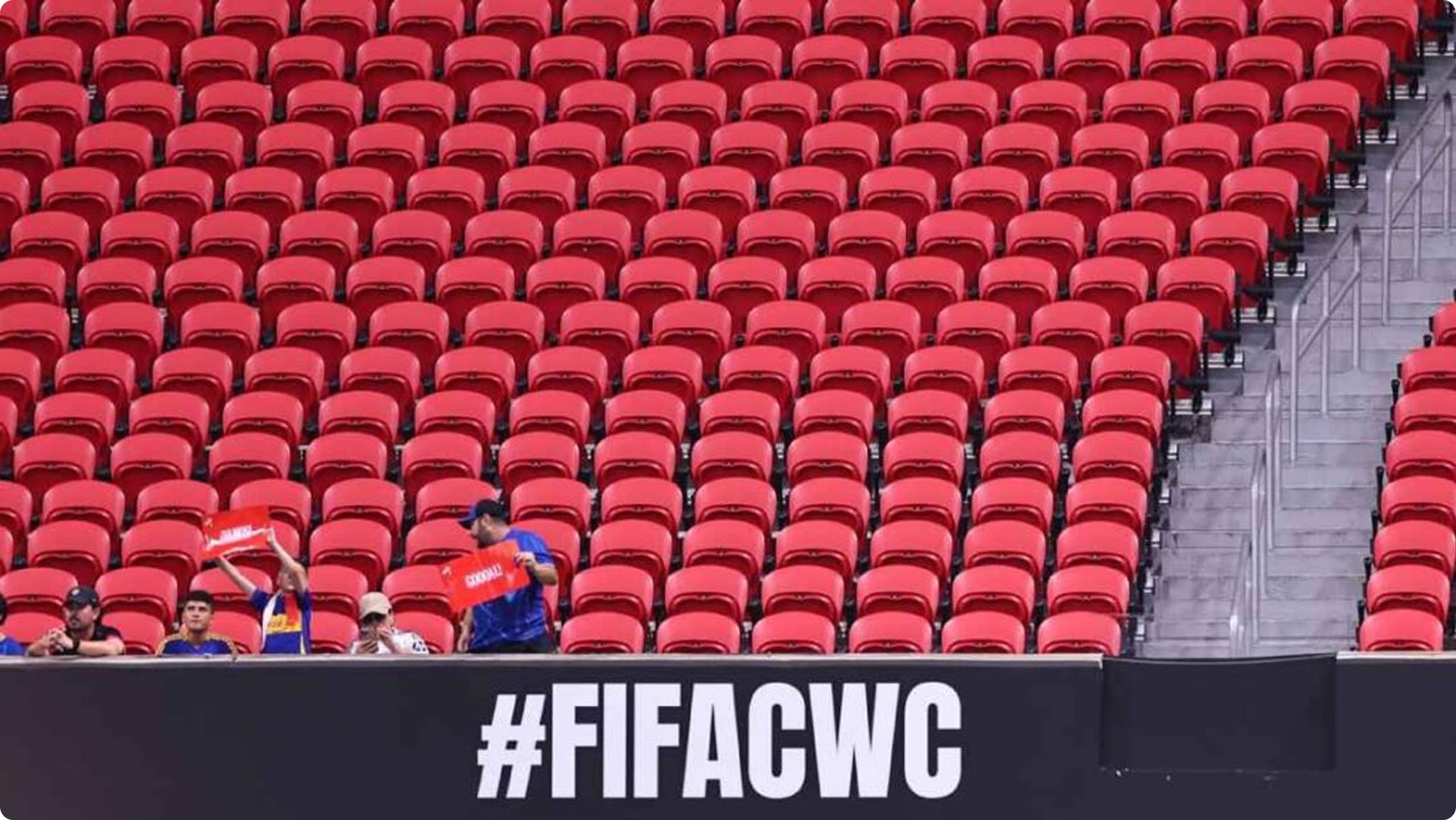
Attendance data shows that weekday midday games in massive NFL stadiums were a tough sell. Some group-stage matches drew fewer than 10,000 fans, leaving thousands of empty seats. More fan-friendly slots (evenings or weekends) and appropriately sized venues create a vibrant, full-house experience that benefit everyone, fans and brands alike.
Do: Make Transportation Seamless
Cities can coordinate with transit authorities and clearly communicate options. From SEPTA Regional Rail trains in Philly to Metrobuses in Miami, fans need to know how to get to the game.
Don't: Under-Communicate Transportation
At Miami's Hard Rock Stadium, fans walked miles or paid locals to ride on their golf carts due to poor transit options. Clearer communication and more robust infrastructure is essential.
Do: Plan for Heat and Storms
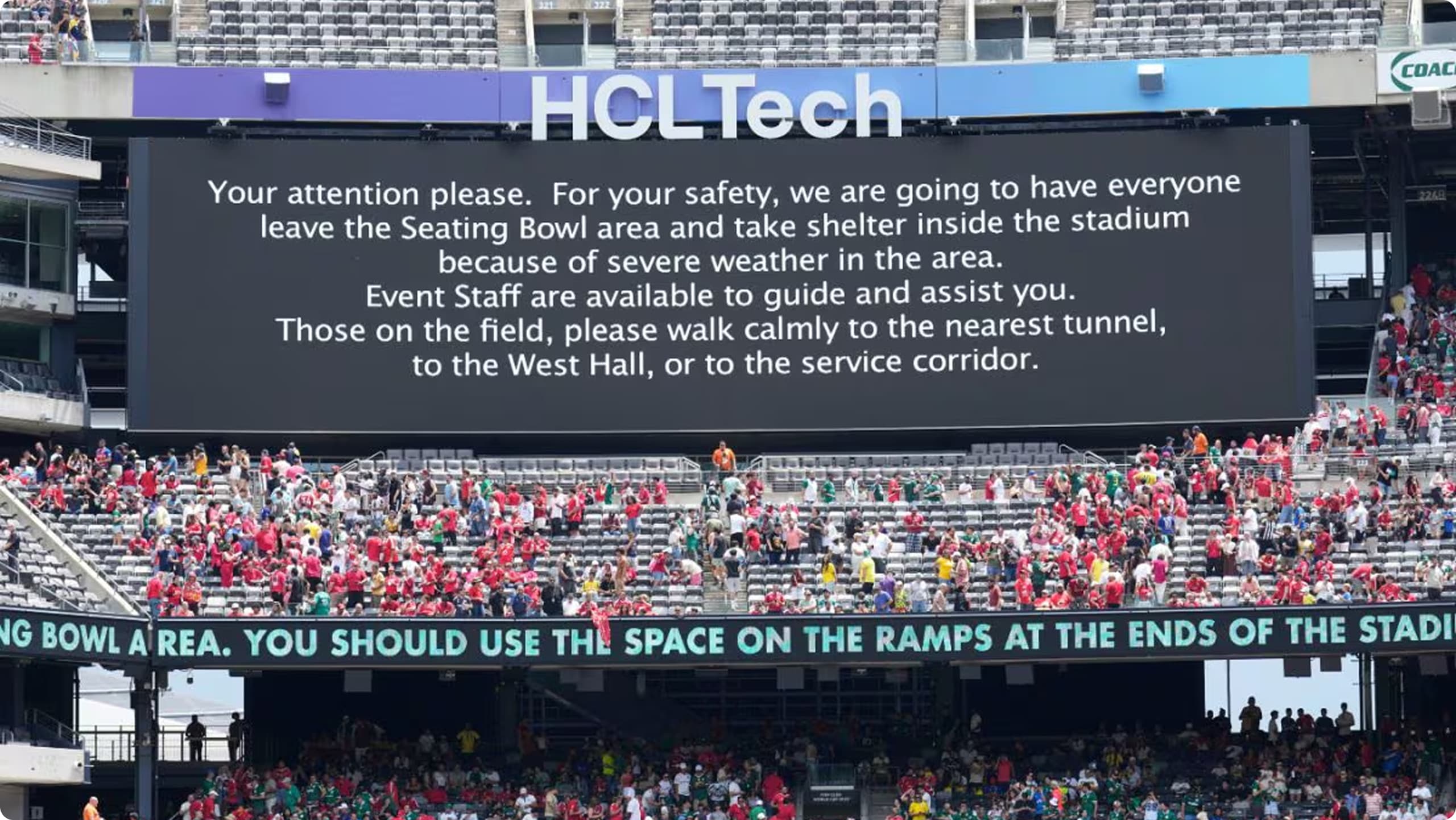
Schedule matches in covered stadiums or during cooler times of day. Overcommunicate how local weather laws may impact the game, like the U.S. rule that pauses games for lightning within 10 miles.
Brands planning outdoor fan events or sponsorship activations should similarly prioritize heat mitigation — think misting tents, free water, sunscreen stations, and indoor viewing parties during peak afternoon hours in hot locales. The Club World Cup wasn't perfect, but it was a vital test. From transportation to turf, from tailgates to thunder delays, we've seen what works and what doesn't. Now it's time to apply those lessons, amplify the magic, and make 2026 unforgettable.
Let's get ready not to rumble, but to welcome the world.