Sip & Sabbatical: The Intersection of AI and Tradition in the Wine Industry

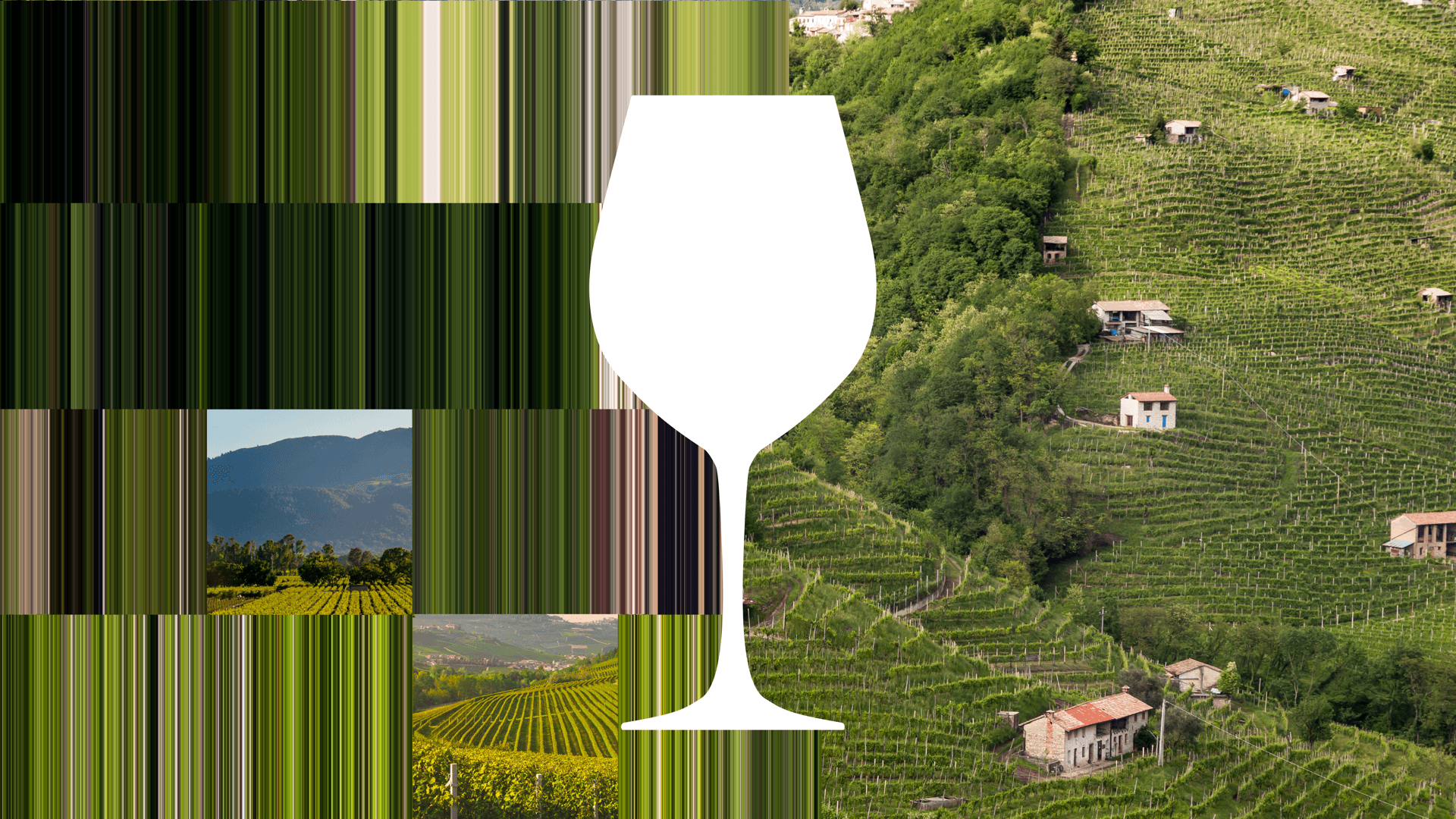
What a sabbatical through wine country taught me about adopting AI with purpose, respect for craft, and a long view.
This isn't about turning vineyards into server farms. It's about what wine can teach all of us about adopting technology thoughtfully, intentionally, and with respect for what already works.
At Athena, we have a sabbatical program built for the kind of learning you can't squeeze between meetings. Eligible team members are encouraged to step away from the day-to-day and pursue something that stretches our perspective personally or professionally.
For me, that meant connecting the dots between how I work and what I love. As Athena's Senior Director of Optimization & Reporting, I spend my time translating messy, complex data into clear narratives and insights that leaders can actually use. My work often intersects with automation, AI, and digital transformation.
When the opportunity came to take a sabbatical, I paired my tech curiosity with a long-standing passion for wine, (Yes, I am fun at parties) and spent eight weeks doing what any serious researcher would do, traveling through vineyards, talking to winemakers and engineers, and tasting an objectively ambitious amount of wine. What started as personal curiosity turned into a front-row seat to a fascinating question: What happens when a centuries-old, deeply traditional industry starts experimenting with AI and emerging technology?
Technology & Terroir: Not Opposites
One of the most persistent myths about AI in traditional industries is that it replaces human expertise. In wine, that concern runs deep. Craftsmanship isn't a buzzword; it's the product.
What I saw instead was technology being used to augment judgment, not override it.
From Oregon to Napa to Burgundy and beyond, I saw firsthand how producers are navigating climate change, labor shortages, shifting consumer behavior, and razor-thin margins—all while trying to preserve the very thing that makes wine special in the first place: terroir, craftsmanship, and story.
And yes, for those curious: I visited 21 vineyards, explored eight wine regions, and tasted 162 wines. For research purposes, obviously.
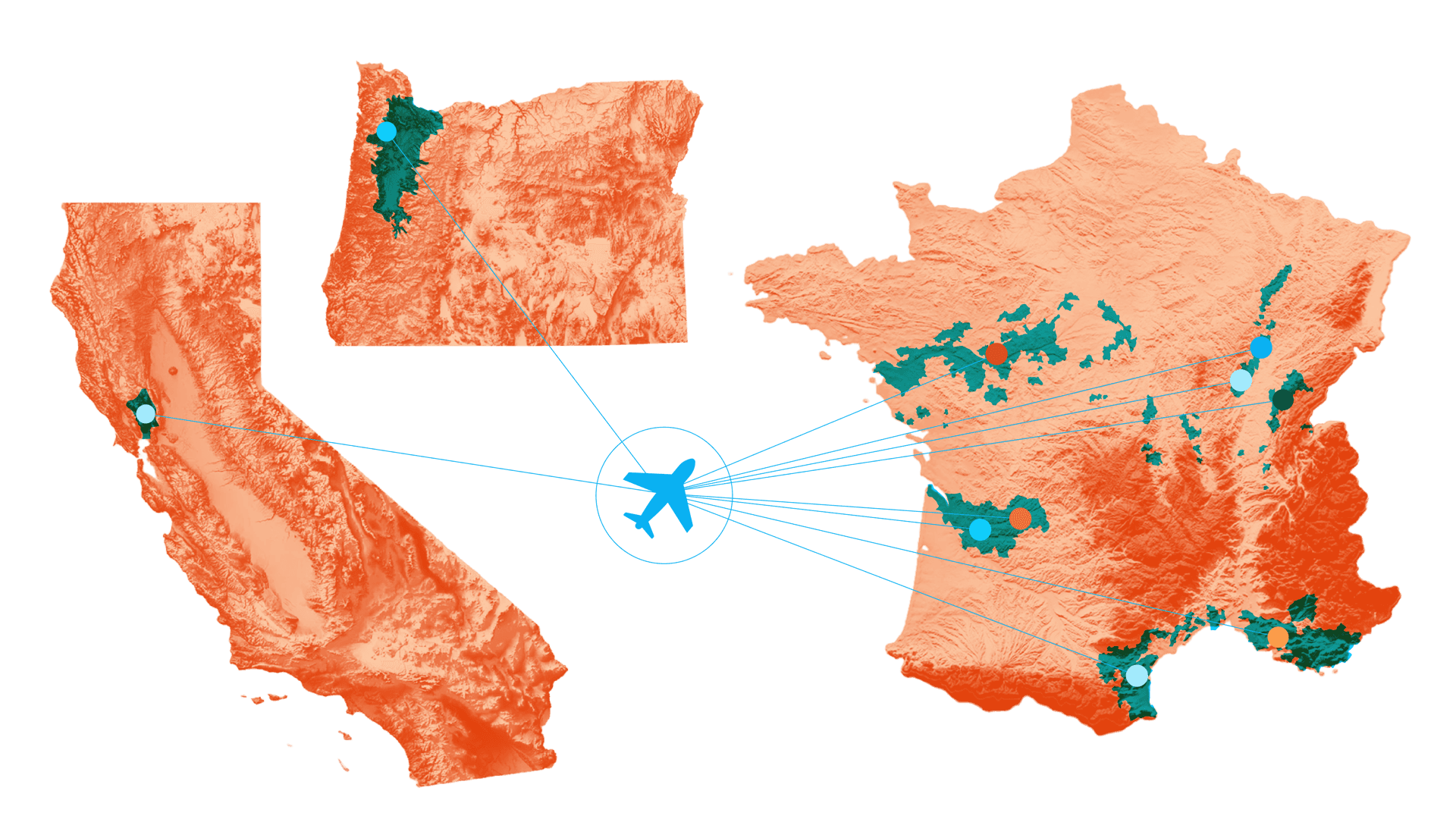
Sip & Sabbatical By the Numbers
Vineyards Visited
Wine Regions Explored
Wines Tasted
Why Wine, Now?
Wine is an industry built on history. Some vineyards I visited have been farmed by the same families for generations, with practices passed down largely unchanged. At the same time, the pressures facing winemakers today are anything but traditional.
Climate change is the most obvious and existential challenge. Weather patterns are less predictable, heat events are more extreme, and water scarcity is becoming a defining constraint in regions like California and Australia. Add in labor shortages, geopolitical uncertainty, tariffs, and declining alcohol consumption, and the need to adapt becomes unavoidable.
Yet what surprised me most was not resistance to change, but openness to experimentation. Winemakers aren't blindly chasing shiny new tools, instead many are actively asking: Can technology help me make better wine, protect my land, and stay in business for the next generation?
That mindset—curious but cautious—showed up everywhere.
AI in Action: From Robots to Real-Time Decisions
AI-driven tools help wine producers understand their land at a level of granularity that simply wasn't possible before. Sensors monitor soil moisture, temperature, wind, and humidity in real time. Cameras mounted on tractors, drones, or even handheld phones, analyze vine health, canopy growth, and water stress down to the individual plant. Advanced yield sensors help predict harvest volumes earlier and more accurately, allowing producers to plan labor, storage, and even grape purchases well in advance.
That kind of foresight can mean the difference between a profitable year and a painful one.
At Chateau MontelenaExternal link to montelena.com. Opens in a new tab., data was used to rethink something as fundamental as vineyard layout. Rather than planting rows based on road access (the historical norm), they used solar and climate data to orient vines in a way that protects grapes from peak heat during the hottest part of the day. Same land, same grapes, just better-informed decisions.
In Oregon, Willamette Valley Vineyards deploys UV-C robots that combat mildew using ultraviolet light instead of chemicals. The payoff is reduced disease pressure and less environmental impact.
The goal wasn't efficiency for efficiency's sake. It was better fruit, more consistent quality, and resilience against a changing climate.
Risk and Reward
For all the promise of AI, adoption is far from frictionless.
Cost remains the biggest barrier. Robotics, sensors, and advanced systems can run well into six figures, an impossible investment for many small producers operating on thin margins. Training and technical expertise are also in short supply, particularly in rural regions.
Cultural concerns matter just as much. There's a real fear of losing authenticity, of betraying tradition, or of signaling to customers that the wine is somehow less "real." In an industry built on romance and ritual, perception is powerful.
The most successful producers I met weren't those with the most technology. They were the ones with the clearest intent and future-forward vision.
Beyond the Barrel
My sabbatical reinforced something I see every day in my work at Athena: Transformation doesn't fail because of technology. It fails because of misalignment between tools, values, innovation, and identity.
The wine industry offers a few lessons that apply far beyond the vineyard:
- Start with purpose, not tools. Technology works best when it solves a real problem and aligns with core values.
- Augment expertise; don't replace it. AI is most powerful when it enhances human judgment rather than attempting to automate it away.
- Design for the long term. Systems should scale, adapt, and evolve as conditions change.
- Respect culture and craft. Adoption fails when it ignores the human and emotional dimensions of work.
These are the same principles that guide successful AI strategy in any industry navigating complexity and change.
Wine has survived for thousands of years because it evolves carefully, not recklessly. As organizations across industries grapple with AI, that balance between tradition and transformation might be the most valuable lesson of all.
Sabbaticals are just one of our many perks. See what it's like to work at Athena here.