Women's Sports Are Winning. Is Your Brand Keeping Up?



Women's sports have moved from niche to mainstream. It's now a cultural pulse point, indicating an inflection in both sports and business toward authenticity, meaningful connection, and inclusivity.
Women's sports have moved from niche to mainstream. It's now a cultural pulse point, indicating an inflection in both sports and business toward authenticity, meaningful connection, and inclusivity.
As we conclude Women's History Month, we are reminded that women's history reaches beyond the calendar—it is being made right now. This past year saw a massive uptick in viewership, attendance, and investment in women's sports across the country. The WNBA's last seasonExternal link to wnba.com. Opens in a new tab. drew 54 million viewers, while the PWHL's New York Sirens just sold out Madison Square GardenExternal link to forbes.com. Opens in a new tab. for their upcoming faceoff against the Torrent. Beyond the fan experience lies a boon of investment potential for businesses across sectors, with $2.5 billion projected earningsExternal link to mckinsey.com. Opens in a new tab. from women's sports in the US alone by 2030.
But the rapid growth and success of women's sports in the US, and beyond, points to something deeper. A cultural shift away from manufactured, over-produced content by brands telling people how to look and feel, and a movement toward authenticity, inclusion, and meaningful connection fostered by real relationships. In fact, 70% of women's sports fansExternal link to wearethecollective.com. Opens in a new tab. agree that supporting women's sports demonstrates a brand's commitment to equity and inclusion.
Whether or not your brand is involved in the sports space, there is something to learn about growth and brand interaction in the story of women's sports. Here are three ways your brand can learn from the success of women's sportsExternal link to the.team. Opens in a new tab. and get in on the action.
Ditch Traditional Sponsorship Strategy
The most forward-thinking brands in women's sports (and beyond) are moving beyond passive logo placements and into immersive, experience-led sponsorships that meet fans where culture is actually happening. Instead of relying solely on traditional media buys, companies are investing in event-based activations—VIP lounges, panels, pop-ups, and culturally relevant moments—that foster deeper emotional engagement.
“Sponsors have the opportunity to innovate in women's sports by leveraging traditional sponsor models and combining with cutting-edge data. Sports create memories. The ultimate goal is for the brand to show up in a moment that creates a lifelong memory,” says Athena consultant Kelsey Trainor.
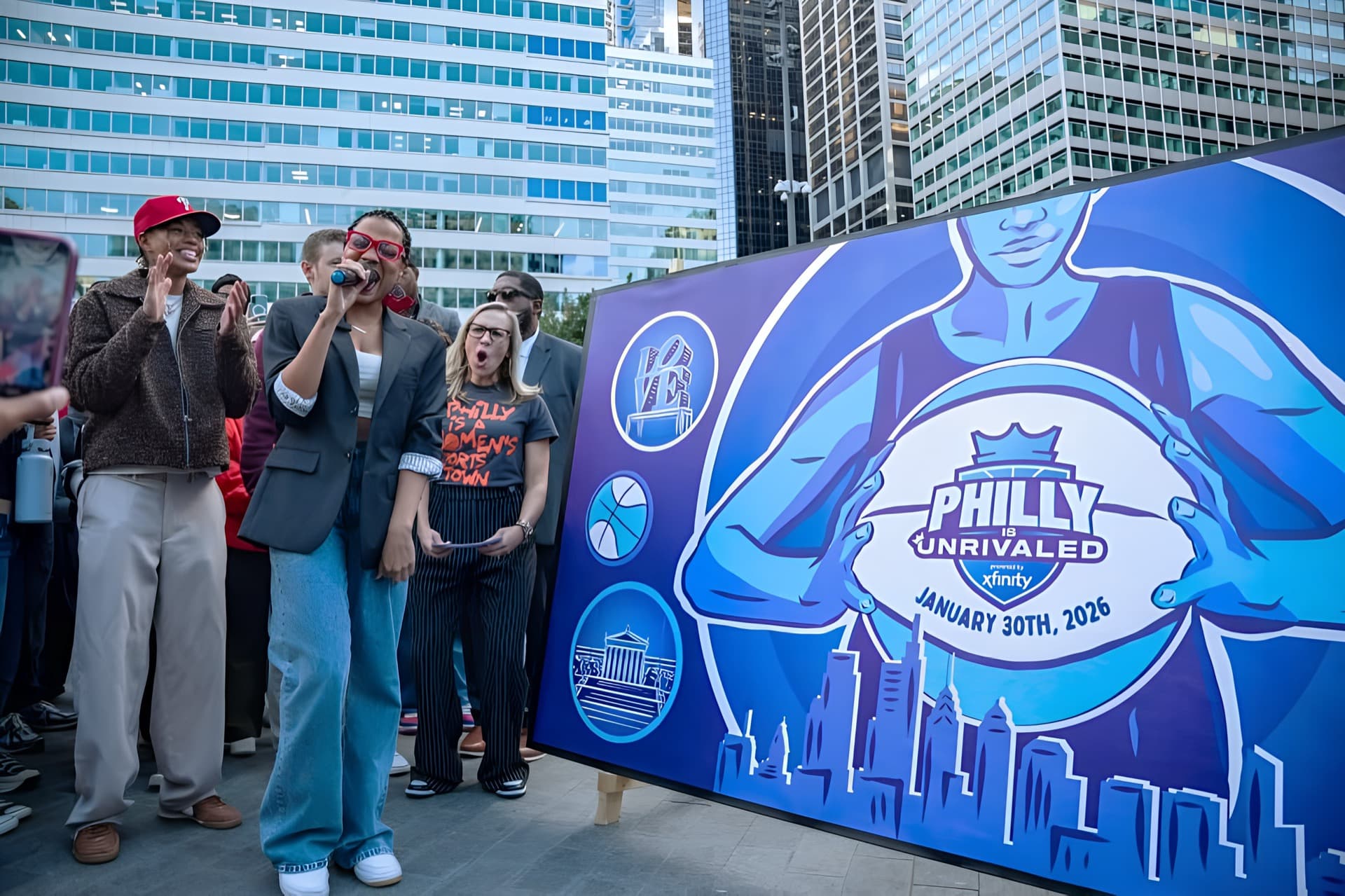
Activations like Ion Network's Grand Central popupExternal link to eventmarketer.com. Opens in a new tab. with the WNBA, or Ally bank's WNBA Changemaker partnershipExternal link to media.ally.com. Opens in a new tab. demonstrate how brands can step out of their industry comfort zone to create opportunities for fans to engage with a league in a purpose-driven way. Sephora's newly announced sponsorship of F1 AcademyExternal link to sportsbusinessjournal.com. Opens in a new tab. is a masterclass in aligning mission-driven work (F1 Academy is working to train junior women drivers to compete in F1), and audience-driven activations—Sephora will be putting glamour bars at 18 races, including at F1's foremost premium hospitality area, the Paddock Club. On a local level, Unrivaled's “Philly is Unrivaled” partnership with Xfinity demonstrates how regional partnerships can feel both specific and expansive when executed well.
The Takeaway
Brands that prioritize memorable, participatory moments over static visibility will win.
Own Storytelling Top to Bottom
Control over narrative is quickly becoming one of the most valuable assets in women's sports, and brands that invest in in-house content and storytelling are seeing outsized returns both culturally and commercially.
From creative studios like Dick's MediaExternal link to dicksmedia.com. Opens in a new tab. to collaborative storytelling platforms like Women's Sports Network's partnership with Women's Elite RugbyExternal link to womenseliterugby.us. Opens in a new tab., the emphasis is on building ecosystems where brands don't just sponsor stories but create and own them. This deepens brand authenticity with both target audiences and investors, opening new, ownable streams of revenue.
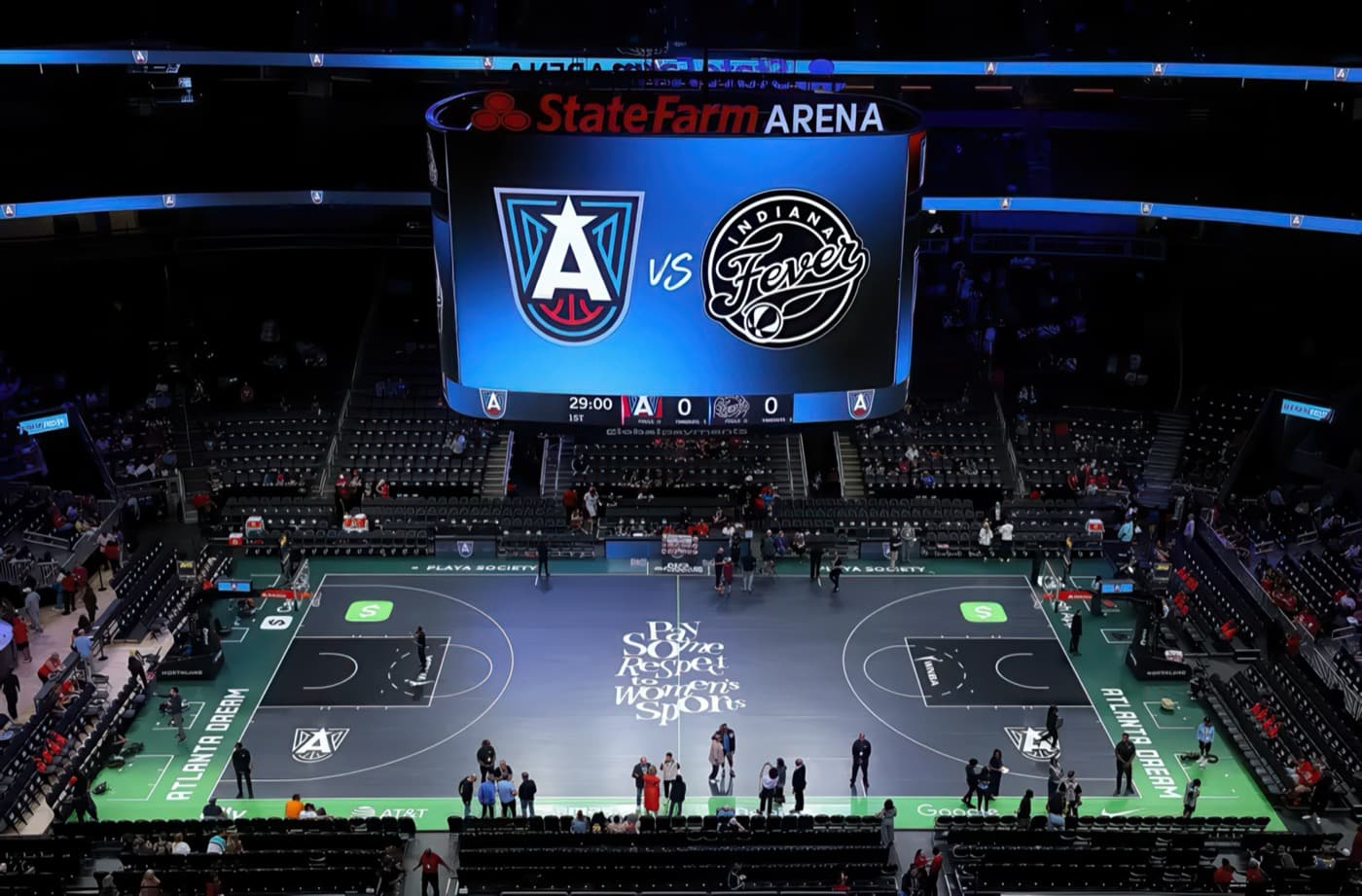
A standout example is the Atlanta Dream's partnership with Cash AppExternal link to beyondsport.org. Opens in a new tab.. Instead of going the traditional route by plastering their name on the court, Cash App decided to collaborate with Playa SocietyExternal link to playasociety.com. Opens in a new tab. to create a bold center-court message: “Pay some respect on women’s sports.” It’s a reminder that storytelling can be both brand-forward and value-driven. The onus of storytelling doesn’t need to fall solely on sponsors’ backs. Media companies and content creators, like Horizon and Togethxr's partnershipExternal link to sportsbusinessjournal.com. Opens in a new tab., play a key role in fostering authentic coverage and purpose-led narratives.
“The good will associated with women’s sports teams and leagues and athletes is a no brainer for a brand. Why not tell a story or deliver a message that leverages that good will while also getting your brand message across,” as Trainor puts it.
The Takeaway
The brands that own the story ultimately own the impact.
Get in Early to Define the Space
In a world that moves at the pace of a scroll, timing is everything. Women's sports present a rare opportunity for brands to get in early before they reach mainstream saturation. Long-term investments, like becoming a founding or naming partner of an emerging league (e.g., Women's Elite Rugby, Pro Women's Baseball, LOVB) offer not just visibility, but category ownership.
Itisalwaysagoodideatogetonarocketbeforeittakesoff.Otherwise,you’realwaysplayingcatchup.Newwomen’ssportsleaguesaretheperfectopportunitytoownaspace,getontherocketearly,andenjoythebenefitsofacomfortableseatandviewfromthetop.
Kelsey Trainor
Consultant, Women's Sports & Business Development
Barbie's early alignment with the PWHL in 2024 illustrates the power of betting on momentum before it peaks. Mattel has since capitalized on that momentum with the Barbie NightExternal link to instagram.com. Opens in a new tab. game promotions, a PWHL × Barbie merch lineExternal link to shop.thepwhl.com. Opens in a new tab., and most recently, Sarah Nurse and Marie-Philip Poulin dollsExternal link to shop.thepwhl.com. Opens in a new tab.. Even platforms like StubHubExternal link to thegistsports.com. Opens in a new tab. are recognizing the upside in prioritizing emerging demand with its new women's sports-dedicated ticketing platform. Though not a women's team, Stōk Cold Brew's early collaboration with emerging Wrexham FCExternal link to shortyawards.com. Opens in a new tab. saw over $5 million in sales and a 14% increase in household penetration for the brand in an otherwise tea-saturated market.
The Takeaway
Early investors don't just participate; they define the category.
Looking Ahead
The trajectory of women's sports in the US is unmistakably upward, with momentum building across both professional leagues and global competition. Olympic performance is a leading indicator: US women have now outperformed menExternal link to usatoday.com. Opens in a new tab. in medal counts for three consecutive Winter Games, including headline moments from Milan like Alysa Liu's historic figure skating goldExternal link to espn.com. Opens in a new tab. and the US women's hockey victory over Canada. Looking forward, the 2028 Los Angeles Summer OlympicsExternal link to justwomenssports.com. Opens in a new tab. will mark a turning point, not only with the addition of sports like softball, baseball, and flag football, but also as the first Games where female athletes are expected to be in the majority overall.
This harkens back to evidence of a broader cultural shift. For brands, this isn't a niche opportunity; it's a structural one. The companies that recognize this inflection point and invest accordingly won't just benefit from growth; they'll help shape the future of the sports industry and broader culture itself.